
Comparison
Ventless Dryers in NYC Apartments: Pros and Cons for Modern Living
October 1, 2026
Living in a pre-war brownstone or a modern high-rise often means working with limited space and no existing exhaust infrastructure. You might be considering a laundry renovation, only to find that your unit lacks the necessary ductwork to support a traditional gas or electric dryer. This is the exact moment many New York residents begin looking at ventless technology as a viable alternative.
Does a ventless dryer actually get clothes dry in a single cycle? How does the maintenance of a heat pump dryer compare to a standard vented unit? Is this the right choice for a high-traffic family home or a small studio?
While ventless dryers provide a flexible solution for buildings without duct access, they require a specific maintenance routine and longer cycle times compared to traditional vented systems.
How Ventless Technology Works in NYC Spaces
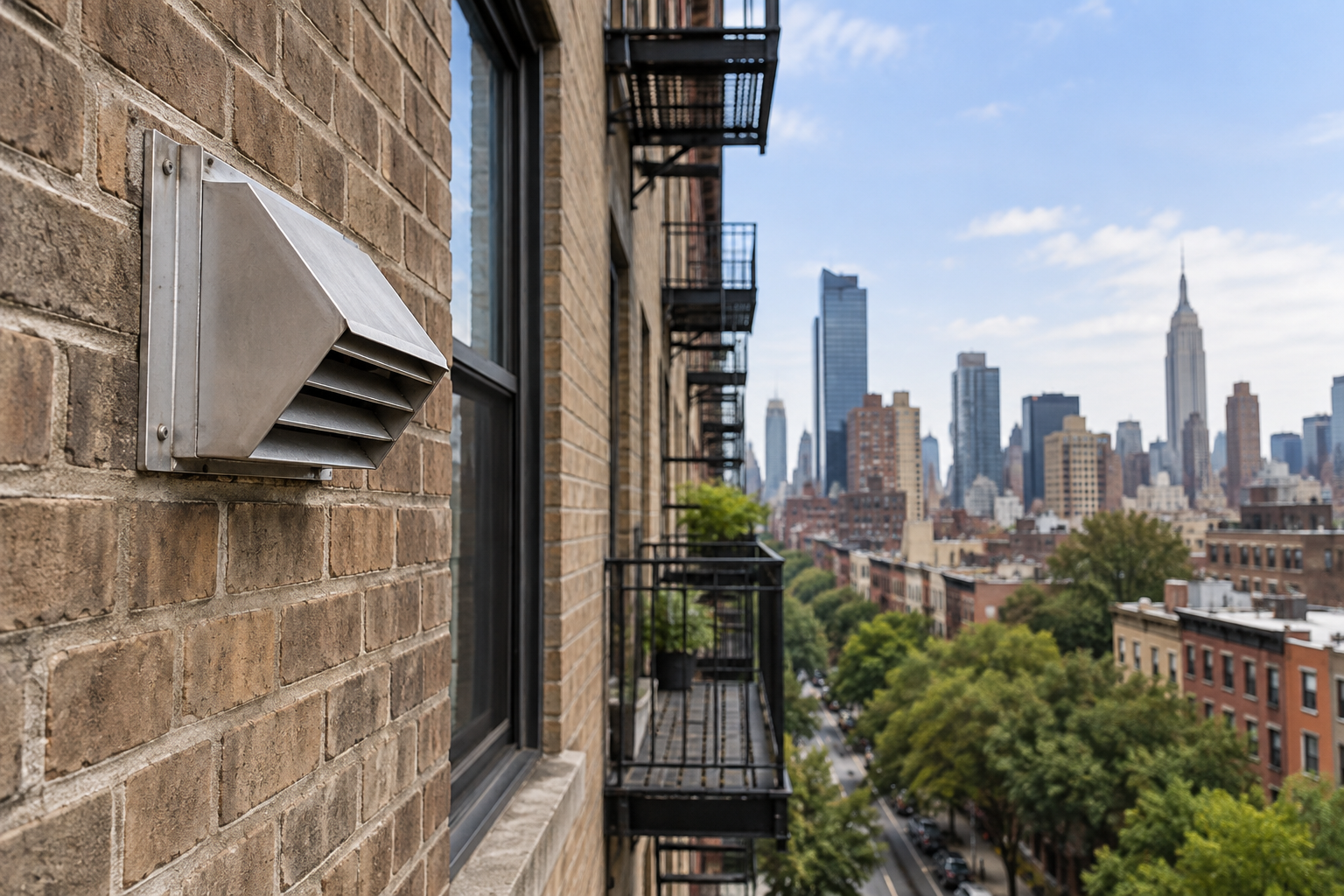
Traditional dryers work by pulling in air, heating it, tumbling it through your clothes, and then blowing the moisture-laden hot air outside through a duct. In a dense urban environment, installing these ducts is often impossible due to building codes or structural limitations. Ventless dryers solve this by recirculating the air. There are two primary types found in Manhattan apartments: condenser dryers and heat pump dryers.
Condenser dryers use a heat exchanger to cool the hot air, turning the moisture into liquid water that is either collected in a tray or pumped out through a drain line. Heat pump dryers are more advanced, utilizing a refrigerant system to recycle heat more efficiently. These units are popular in residential settings where energy efficiency is a priority, as they use significantly less electricity than standard models. However, because they do not exhaust air to the outside, they can slightly increase the ambient temperature and humidity of the room where they are installed.
Performance and Time Considerations
The most common complaint among those switching to a ventless system is the cycle time. Because these machines operate at lower temperatures to protect the internal components and improve efficiency, a load that takes 45 minutes in a vented dryer might take 90 minutes or more in a heat pump model. For large families or commercial operations like small salons that need rapid turnover, this can be a significant bottleneck.
Dryer vent problem? Talk to a technician today.
However, the lower heat is often gentler on fabrics, potentially extending the life of your wardrobe. If you are moving from a building with gas-fired units, it is important to understand the safety differences; you may want to review our guide on Gas Dryer Venting and Carbon Monoxide Safety in NYC Buildings to see how those systems differ from the self-contained nature of ventless electric units. In many Brooklyn co-ops, the switch to ventless is driven purely by the impossibility of cutting new holes in historic masonry.
Maintenance and Long-Term Care
Many users mistakenly believe that "ventless" means "maintenance-free." This is not the case. In a vented system, lint that bypasses the primary filter is eventually pushed out through the duct. In a ventless system, that lint stays inside the machine. A condenser dryer requires you to manually clean the heat exchanger fins regularly. If lint builds up here, the machine loses its ability to extract moisture, leading to damp clothes and potential overheating.
Heat pump models often feature secondary or even tertiary filters that must be vacuumed or washed. If these are neglected, the internal coils can become clogged, necessitating a professional teardown. Even in Queens apartments where space is at a premium, you must ensure the unit has enough clearance for adequate airflow around the cabinet, or the cooling process will fail, resulting in extremely long dry times and high energy bills.
A Decision Framework for Apartment Residents
Before purchasing a ventless unit, consider these factors to determine if it fits your lifestyle:
- Duct Access: If your building allows for a standard 4-inch rigid metal duct to the exterior, a vented dryer is usually the more cost-effective and faster option.
- Drainage: Ensure you have a nearby standpipe or sink for the condensate drain, otherwise you will be manually emptying a heavy water tank after every load.
- Volume: If you do three or more loads of laundry a day, the long cycle times of a heat pump dryer may become a frustration.
- Room Size: Small, unventilated closets can become very warm when a condenser dryer is running. Ensure the room has some form of passive airflow.
- Long-Term Costs: While ventless units often have a higher purchase price, the energy savings of heat pump technology can offset this over several years.
If you are managing a property or living in a unit with existing ductwork, keeping those lines clear is essential for safety and performance. The U.S. Fire Administration reports that failure to clean the dryer is the leading cause of home clothes dryer fires. Whether you have a complex vented system or need advice on maintaining the internal pathways of your appliances, DVC Experts Inc. brings over 25 years of experience to every job. We serve the entire NYC area, helping residents keep their laundry rooms efficient and safe. For an inspection or cleaning of your existing ventilation infrastructure, contact DVC Experts Inc. at 1 718-305-7888.
Dryer vent problem? Talk to a technician today.
Related articles
- DIY vs. Professional Dryer Vent Cleaning: Knowing When to Call for Help
- Dryer Vent vs. Air Duct Cleaning: Understanding the Difference
- Determining Proper Dryer Vent Cleaning Frequency for NYC Apartments
Need help at home? See our residential dryer vent cleaning.