
Efficiency
Why a Clogged Dryer Vent Drives Up Energy Bills in NYC
September 27, 2026
You receive your monthly utility statement and notice a steady climb in the electric or gas bill, despite no change in your household habits. In a Brooklyn brownstone or a Manhattan high-rise, energy costs are already at a premium. You might suspect the HVAC system or a drafty window, but the culprit is often located behind the laundry room wall. When a dryer takes two or three cycles to finish a single load of towels, the meter is spinning far longer than necessary.
Is your dryer working harder because of a mechanical failure or an airflow restriction? How much does an extra hour of drying time actually cost over the course of a year? Most importantly, how can you restore factory-standard efficiency to an older appliance?
A clogged dryer vent forces your appliance to consume significantly more energy by restricting the airflow necessary to evaporate moisture and expel heat.
The Mechanics of Drying Time Cost
A clothes dryer operates on a simple principle: it circulates heated air through a rotating drum to pull moisture out of the fabric. This moisture-laden air must then be pushed out of the building through a ventilation duct. If that duct is partially blocked by lint, the humid air has nowhere to go. It remains trapped in the drum, keeping the clothes damp.
For residents in Manhattan, where many laundry setups involve long duct runs or complex turns to reach an exterior wall, even a thin layer of lint can create backpressure. When this happens, the dryer's thermostat detects that the clothes are still wet and continues to fire the heating element. Instead of a 45-minute cycle, the machine runs for 90 minutes. This essentially doubles the dryer energy bill for every load of laundry you process. Whether you are managing residential units or a private home, these extra cycles result in unnecessary wear on the heating elements and motor.
Heat Retention and Component Strain
When airflow is restricted, the internal temperature of the dryer rises above safe operating levels. Modern dryers have high-limit thermostats designed to shut the heating element off if it gets too hot, preventing a fire but also stopping the drying process. This leads to a cycle of the heater turning on and off repeatedly.
Dryer vent problem? Talk to a technician today.
This "cycling" is highly inefficient. The appliance consumes a surge of energy every time it attempts to bring the drum back up to temperature. In many Brooklyn apartments, dryers are tucked into small closets with poor ambient ventilation, exacerbating the overheating issue. Over time, this heat buildup doesn't just raise your bill; it shortens the lifespan of the appliance, leading to premature replacement costs that far exceed the price of a standard cleaning. Recognizing the Warning Signs of a Clogged Dryer Vent in NYC Properties is the first step in stopping this financial drain before a component failure occurs.
Commercial Implications for NYC Property Managers
For those overseeing commercial facilities such as laundromats, gyms, or hotels in Queens, the impact of clogged vent efficiency is multiplied across dozens of machines. A 20% increase in drying time across a fleet of 20 dryers can lead to thousands of dollars in wasted utility spending annually.
Beyond the bill itself, there is the labor cost of staff waiting for laundry to finish. In a high-volume environment, a blockage doesn't just waste energy; it creates a bottleneck that slows down the entire operation. Keeping ducts clear ensures that the air moves at the velocity intended by the manufacturer, maintaining the shortest possible drying times and the lowest possible energy draw.
Efficiency Checklist for Homeowners
If you suspect your utility bills are rising due to laundry inefficiency, use the following framework to assess the situation:
- Monitor Cycle Length: Keep track of how long a standard load of denim or towels takes to dry. If it exceeds 50 minutes, airflow is likely restricted.
- Check the Exterior Hood: While the dryer is running, go outside and feel the air coming out of the vent. It should be a strong, warm gust. A weak breeze suggests a blockage.
- Inspect for Heat: If the top of the dryer cabinet feels hot to the touch or if the laundry room feels excessively humid, the moist air is not escaping properly.
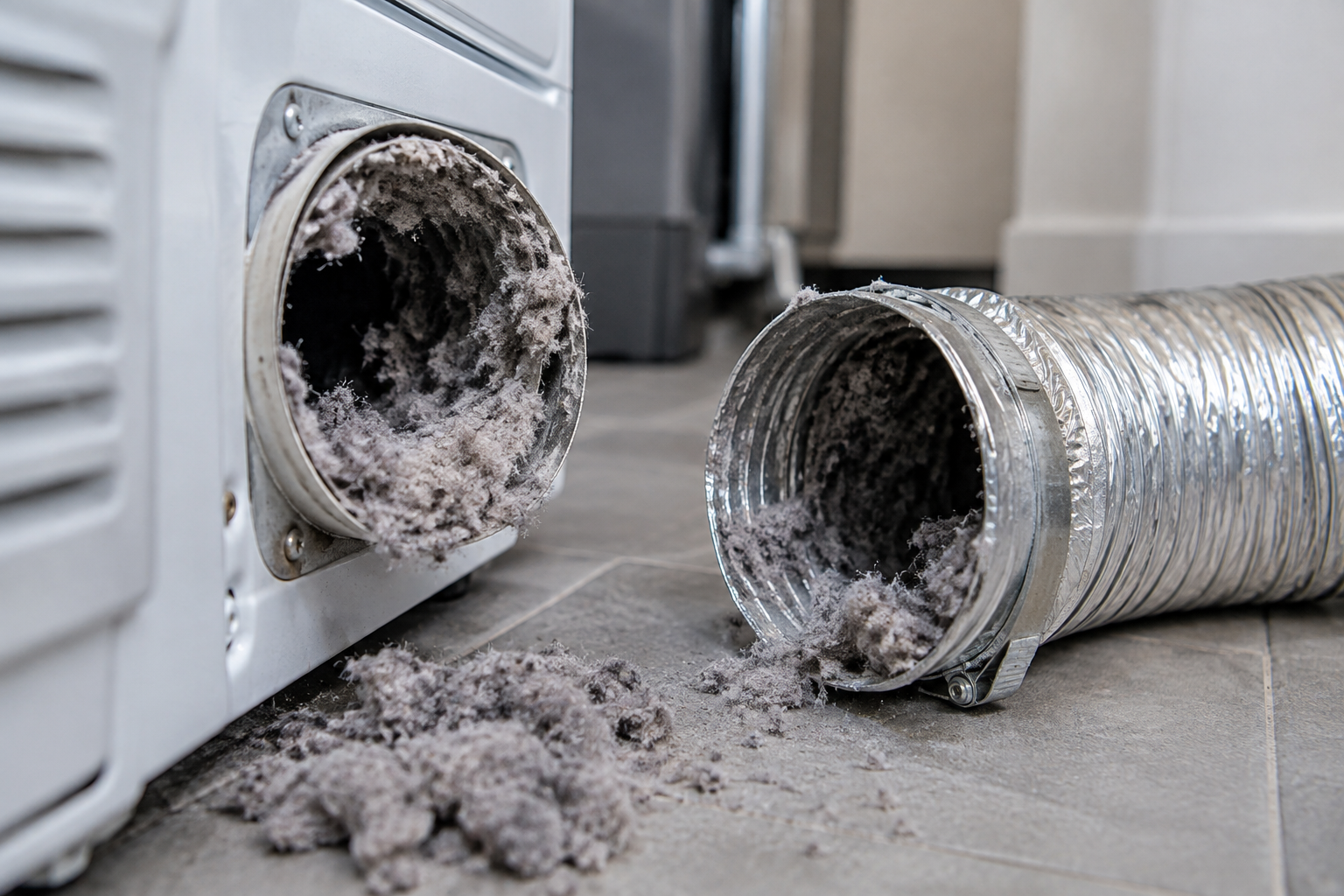
- Evaluate Lint Accumulation: Even if you clean the lint screen every load, up to 40% of lint can bypass the screen and settle in the internal ductwork.
Addressing these issues promptly restores the appliance to its peak performance levels, ensuring you are not paying for heat that never reaches your clothes.
DVC Experts Inc. has 25+ years of experience helping New Yorkers reduce energy waste and improve home safety. We provide thorough inspections and cleaning for residential and commercial systems throughout the five boroughs and Long Island. To schedule a service visit and lower your drying time cost, call 1 718-305-7888 or visit our contact page. Our office is located at 509 Dahill Rd, Brooklyn, NY 11218.
Dryer vent problem? Talk to a technician today.
Related articles
- Dryer Vent Cleaning for NYC Building Crews
- Dryer Vent Safety for NYC Vacation Rentals
- Dryer Vent Cleaning for NYC New Parents
Need help at home? See our residential dryer vent cleaning.